
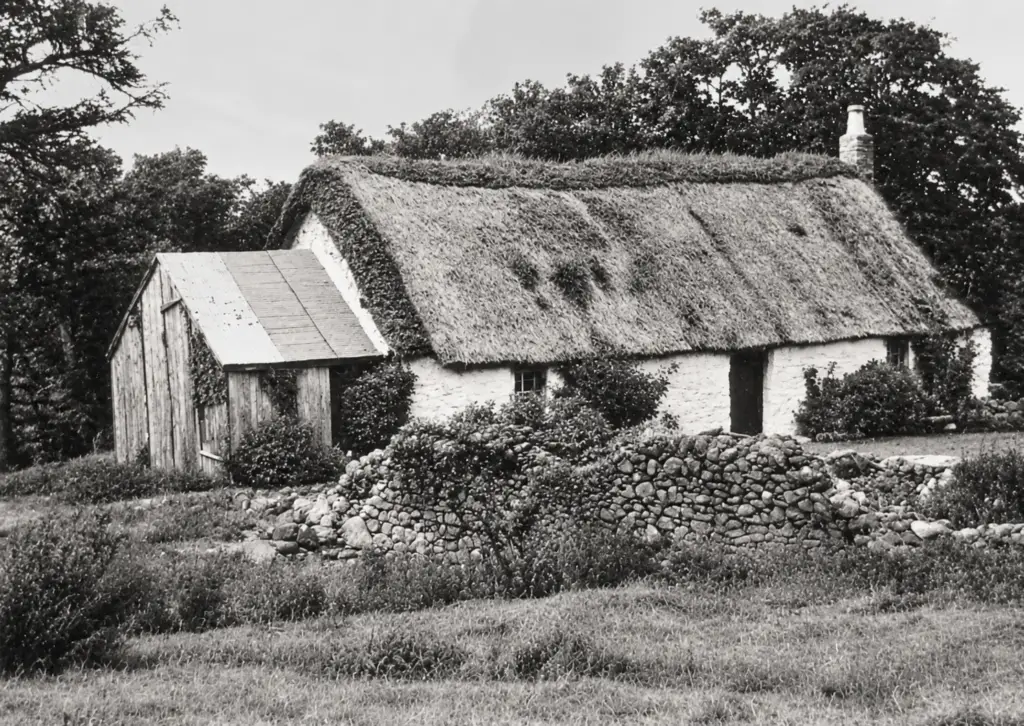
East Mains — A Shiels Family Home
East Mains, near Culter, Scotland, was the Shiels family home for generations and became one of the family’s longest-lasting links with Scotland. The Shiels connection with East Mains can be traced to Thomas Shiels and Barbara Jean Cranston in the early nineteenth century, and the property remained associated with their descendants for generations.
Earlier family accounts associated East Mains with Micheal Shiels, but more recent research points instead to Thomas Shiels and Barbara Jean Cranston as the beginning of the family’s long connection with the property. Most of their children were born in the Culter area, and Thomas’s 1839 burial record identifies his residence specifically as Eastmains.
From Thomas and Barbara Jean, East Mains remained connected with their descendants for generations, eventually passing through the family of their youngest son, William James Shiels. Nearly two centuries later, the old family home would still be remembered by descendants who had known it as children.
East Mains and Culter
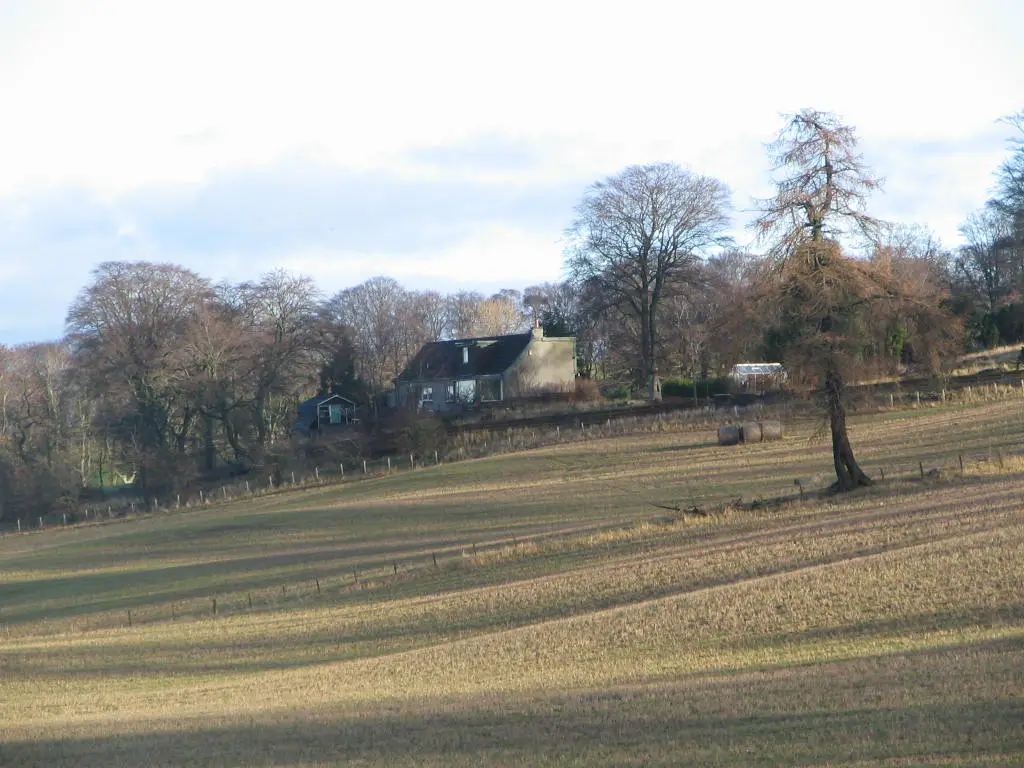
East Mains was a farm located less than a mile from Culter in the Scottish Borders, close to Eastmain Hill. In surviving family records, both Culter and East Mains appear as locations, which can sometimes make it seem as though the family lived in different places.
Culter, also known as Coulter in earlier years, was the local area and parish, while East Mains was the family home and property within it. Thomas Shiels’s 1839 burial record gives his residence as Eastmains, and the 1841 Scotland Census records Barbara Shiels at Culter with her address specifically shown as EASTMAINS.
The farm was situated near Eastmain Hill, just outside the village of Culter. The similarity of the names provides a useful geographical connection between the property and the surrounding countryside in which generations of the Shiels family lived.
Thomas & Barbara Jean at East Mains
Thomas and Barbara Jean Shiels established their family at East Mains following their marriage in 1817. Their eight children were born during the years that followed, and East Mains became the centre of family life for this generation of the Shiels family.
Thomas’s working life also brought him into close association with the Duke of Buccleuch. According to the family account recorded by his grandson Jack Shiels in 1949, Thomas became a gamekeeper for the Duke and was known as an expert with a gun.
Jack recorded that Thomas was shot and badly wounded by a poacher while carrying out his duties. Although Thomas survived the shooting, Jack wrote that “he never was the same man after.”
Thomas died in March 1839 at the age of 43. His burial record identifies his residence as East Mains and records his burial at Culter, providing one of the earliest documented links between the Shiels family and the property.
Barbara Jean — Keeping East Mains in the Family
After Thomas died in 1839, Barbara Jean remained closely connected with East Mains for the rest of her long life. The 1841 Scotland Census records her at Culter, with her address specifically given as EASTMAINS.
Left to raise her family after Thomas’s death, Barbara Jean continued to make a life for herself and her children. According to the account recorded by her grandson Jack Shiels, the Duke of Buccleuch arranged a room in the village where she could teach local children and provided her with an income for her work. Jack remembered her simply as “a wonderful teacher.”
Barbara Jean continued teaching until the age of eighty-one. Through all those years, East Mains remained her home and an important centre for the growing Shiels family.
Her youngest son, William James Shiels, remained in Scotland and lived at East Mains with his wife Agnes Brown and their family. In this way, the connection with East Mains continued into another generation.
East Mains Through the Generations
Following Barbara Jean’s death in 1882, East Mains continued through the family of her youngest son, William James Shiels. William and his wife Agnes Brown had already made East Mains their home and raised their family there.
Their oldest son Thomas lived at East Mains with his parents, when he originally started Shiels the Bootmaker shop in Biggar. He walked three miles each way to Biggar. Eventually, Thomas moved to the town of Biggar and a number of his siblings also moved to Biggar.
The property passed from William James to his wife Agnes and, following her death, to their daughter Barbara Shiels. Barbara never married and remained closely associated with East Mains throughout her life.
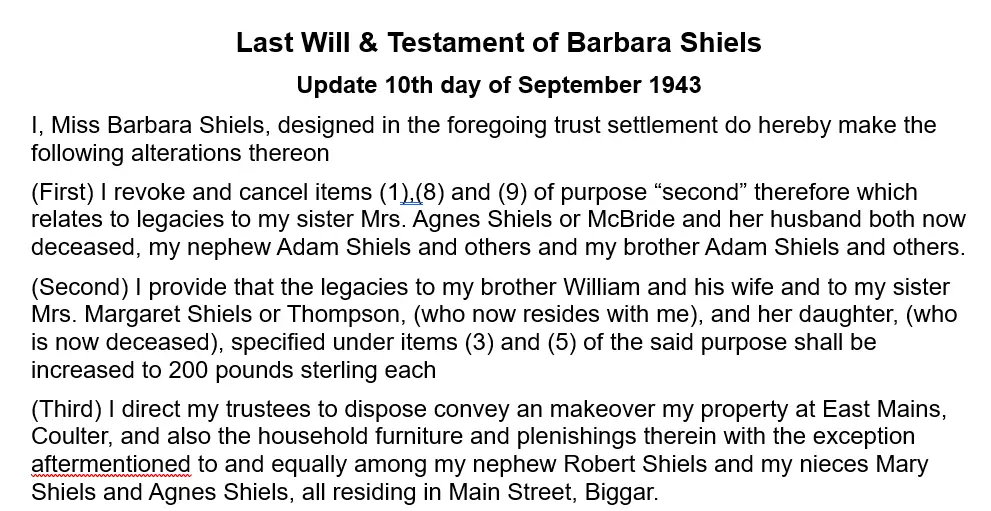
Barbara’s original will, dated November 19, 1929, directed that East Mains and the remainder of her estate eventually be realized by her trustees. Fourteen years later, however, Barbara changed those instructions.
In a codicil dated September 10, 1943, she specifically directed that East Mains, together with its household furniture and furnishings, be left equally to three children of her brother George — Robert “Bob” Shiels, Mary “Moll” Shiels and Agnes Shiels, all of whom were then living on Main Street in Biggar.
The 1943 codicil provides an important documentary link in the history of East Mains, showing Barbara’s decision to keep the old family property within another generation of the Shiels family. Moll later bought out the interests of Bob and Agnes, and East Mains became hers.
By then, East Mains had been connected with the Shiels family for generations. What had begun as the home of Thomas and Barbara Jean had passed through their descendants while remaining a recognizable part of the family story.
East Mains in Later Years
By the middle of the twentieth century, East Mains was no longer the year-round family home it had once been. After Moll sold the Shiels the Bootmaker shop in Biggar in the late 1950s and bought a house across the street, East Mains was used mainly as a summer cottage.
For many years the old property remained largely unchanged. Dan’s cousin David French, who grew up in the area, remembers visiting East Mains as a young boy in the 1950s. At that time there was no electricity or running water, giving David memories of an East Mains very different from the house that stands there today.
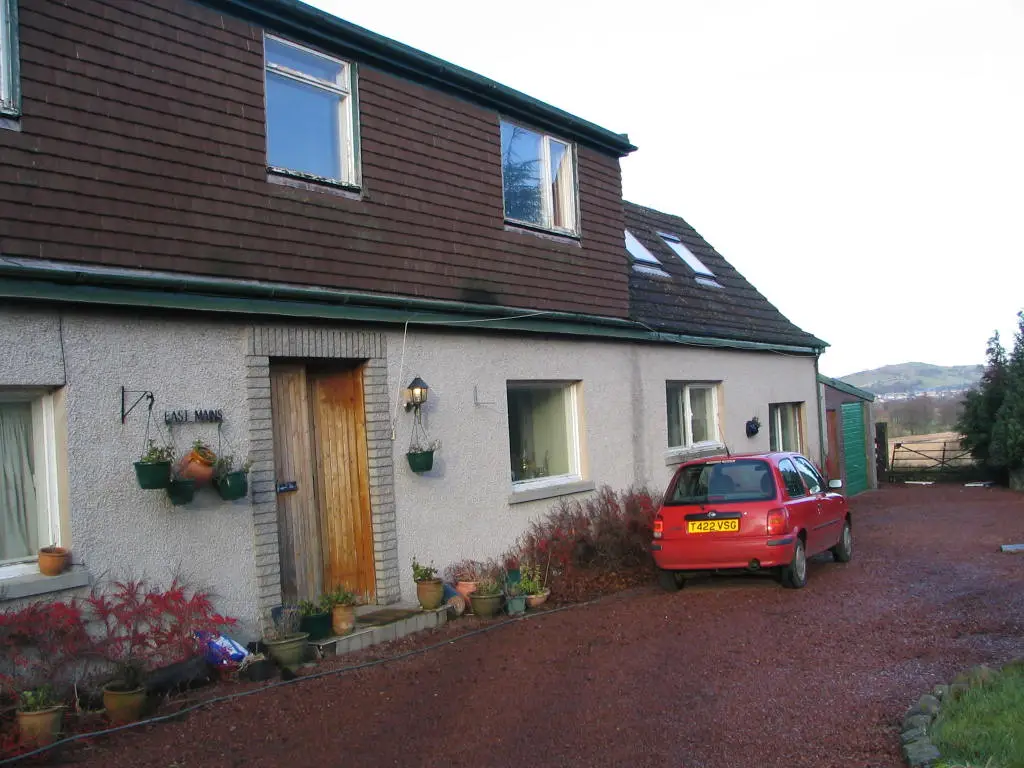
Moll eventually gave East Mains to her nephew George Shiels, known within the family as “George the Fireman.” George modernized the property in the late 1970s, bringing electricity, running water and other improvements to the old family home.
Around 1980, George sold East Mains, bringing to an end the Shiels family’s long connection with the property as its owners. The house, however, remained — a physical reminder of the generations of the family who had lived there before.
Returning to East Mains — 2007
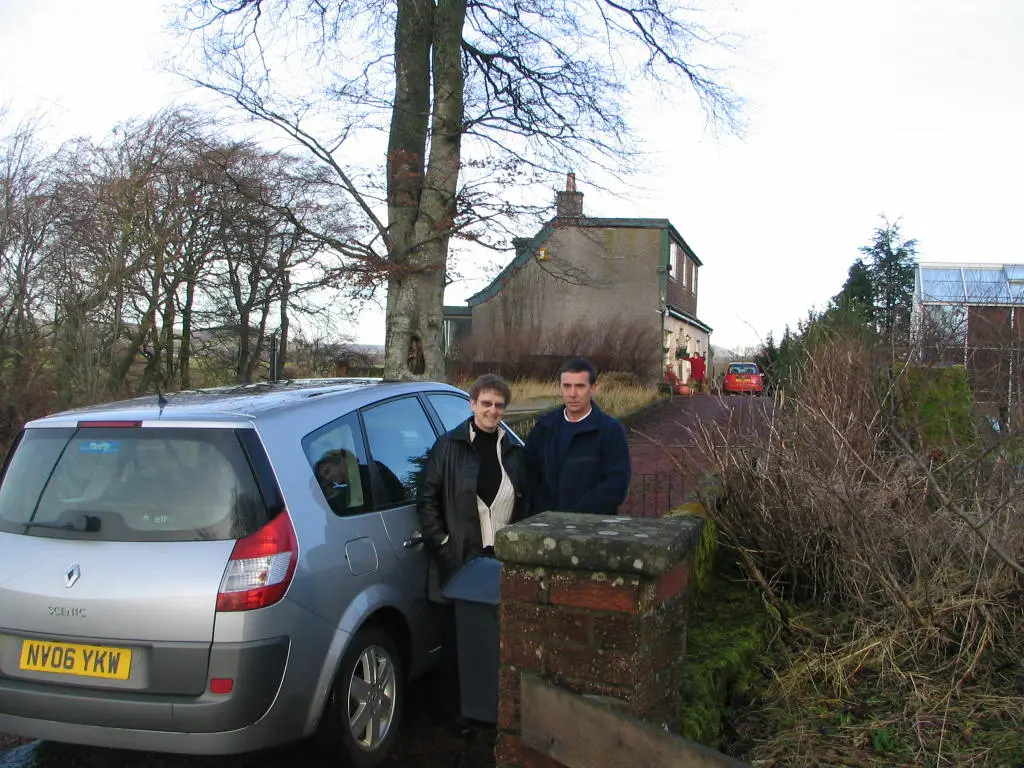
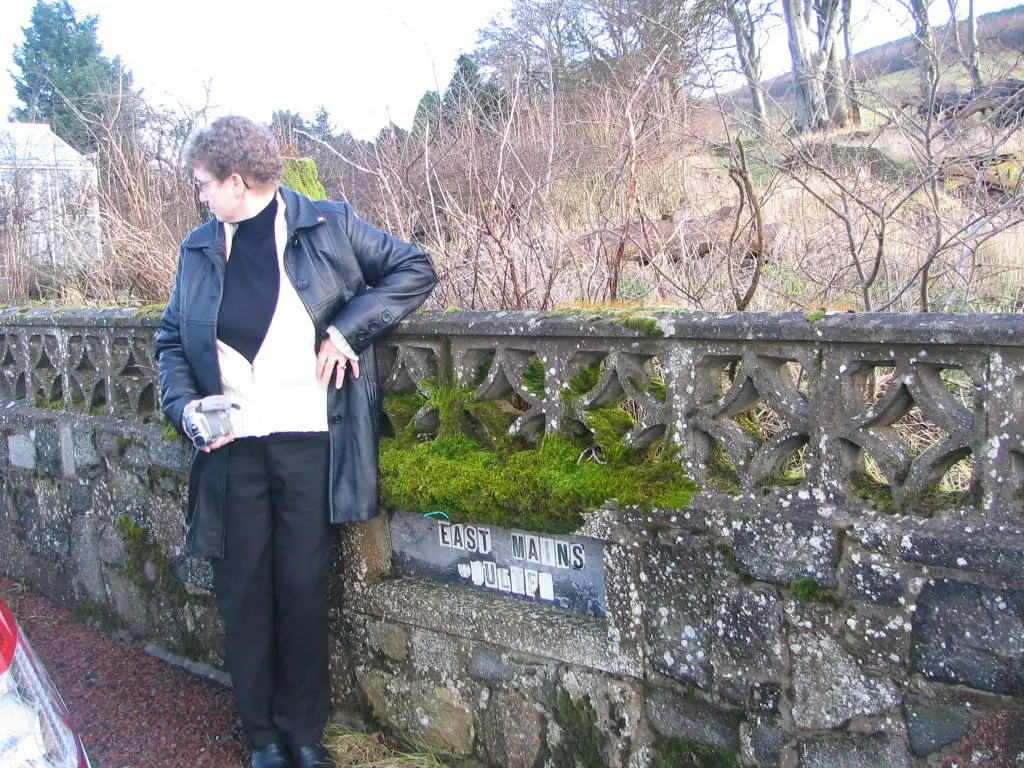
In 2007, Dan and Judy travelled to Scotland as part of their continuing search for the Shiels family story. During that visit, Dan’s cousin David French took them to East Mains, a place David himself remembered visiting as a young boy.
Much had changed since David’s childhood visits. The old property had been modernized and had long since passed out of the Shiels family, but the house and its setting remained recognizable as the place that had been connected with the family for generations.
Standing at East Mains with David brought together two very different parts of the family story — the generations known through old Scottish records and the memories of descendants who had actually known the property.
For Dan and Judy, visiting East Mains was more than simply finding another location connected with the family. It was an opportunity to stand at a place where generations of the Shiels family had lived and to see for themselves one of the strongest physical links with the family’s Scottish past.
A Link Across the Generations
East Mains eventually passed out of the Shiels family, but its place in the family story remains. For generations it was more than an address — it was a family home, a place where children were raised and memories were made, and a physical link connecting several generations of the Shiels family in Scotland.
The old photographs, surviving records and memories of people such as David French allow us to follow East Mains through a remarkable period of Shiels family history. Although the house changed over the years, the place itself provides a connection between the family who lived there generations ago and their descendants today.
When Dan and Judy stood at East Mains in 2007, they were standing at a place their ancestors had known as home. More than a century after the earlier generations had lived there, East Mains remained a tangible link to the family’s Scottish roots.