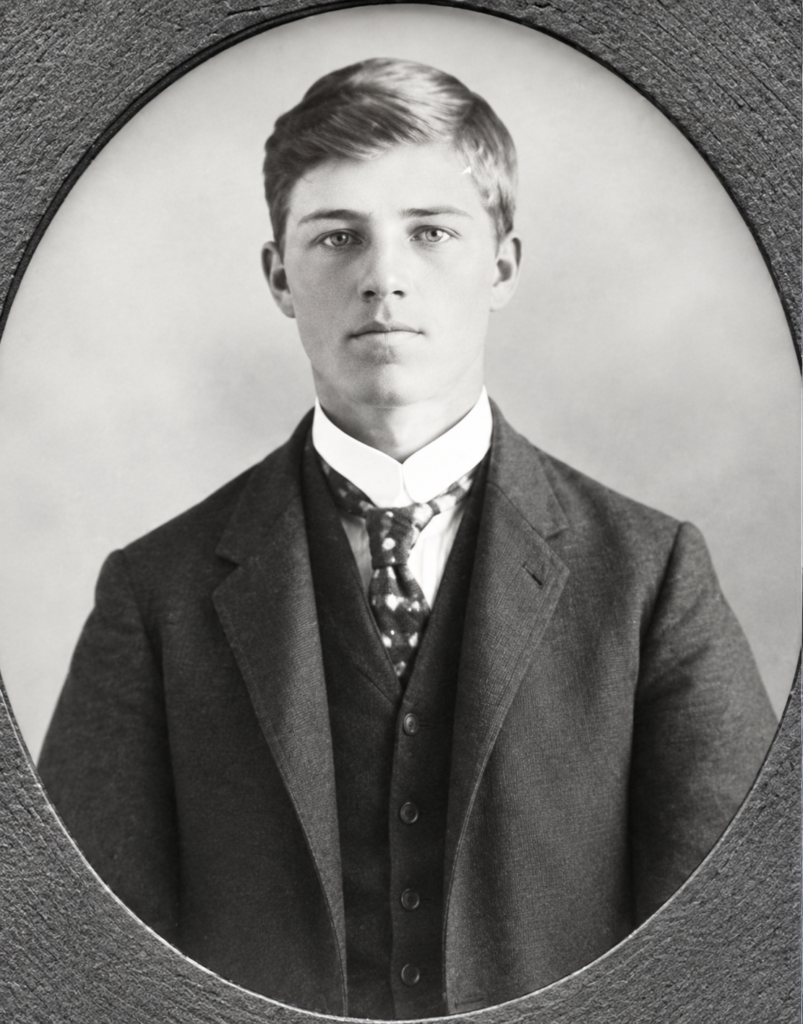
G8 - John George Shiels (1885-1975) & Pearl Alberta Gerry
John George Shiels was born on February 17, 1885 near Brussels, Ontario, the eldest of the two children of Thomas Shiels and Rachel Brigham. Before he reached adulthood, John had already travelled farther across Canada than most people of his generation ever would.
At six years old he moved with his parents to the bush country near Trout Creek. When his father Thomas later went west looking for opportunity, John travelled with his mother Rachel and sister Lottie to join him in Manitoba. From there, the family moved west once again — this time to the Saskatchewan prairie.
A Life That Would Test His Courage
As a young man, John began establishing a life of his own. He filed for a homestead half a mile from his father’s land, living at home while working his own property and preparing for a future of his own.
But the years ahead would test John in ways he could never have imagined. He would experience the loss of children, the death of his wife, the destruction of his home, the hardships of the Great Depression and the responsibility of raising a young family alone.
Again and again, John would be forced to begin over. Again and again, he did.
John & Pearl — Building a Family
Pearl Alberta Gerry was born on January 14, 1893, the daughter of Harry and Elizabeth Gerry. Her family lived north of Stoughton, Saskatchewan, not far from the country where John and his parents had established their homesteads.
John and Pearl were married on December 11, 1912. John was twenty-seven and Pearl was nineteen. John’s sister Lottie Shiels served as bridesmaid, and following the ceremony more than one hundred friends and neighbours gathered at Hillhurst School to celebrate the newly married couple.
They spent their first winter living with Thomas and Rachel on the Shiels homestead before beginning married life on their own.
For John, who had spent much of his childhood moving from one home to another, marriage to Pearl marked the beginning of something he had long been working toward — a home and family of his own.

Joy and Heartbreak
John and Pearl began married life with every expectation of building the family they wanted. But their first years together brought a heartbreaking series of losses.
Their first child, a daughter named Rachel, was born on December 15, 1913, but lived only a few hours. A second daughter, Margaret, was born on December 20, 1914 and died the following day. Their third child, a son named John, was born on December 21, 1915 and also survived for only a short time.
In the space of just two years, John and Pearl had welcomed three children — and buried all three.
Yet they carried on. On December 13, 1916, their daughter Olive was born, followed by Kenneth on September 19, 1918 and Doris on September 23, 1920. At last, the young family that John and Pearl had hoped for was beginning to grow.
There would eventually be more children and many more challenges ahead, but after the sorrow of those first years, John and Pearl finally had children growing up around them.
A Growing Family
After the losses of their first three babies, the arrival of Olive, Kenneth and Doris brought a new chapter to John and Pearl’s lives. Their home was becoming the busy family home they had waited so long to have.
Life was rarely settled for long, however. John continued farming and taking whatever work was necessary to support his growing family. During these years they moved several times around the Stoughton district, sometimes living on rented farms as John searched for better opportunities.
In 1919, another danger reached even the isolated communities of the Saskatchewan prairie. The influenza epidemic swept through the district, and the Shiels family was not spared. Illness that had seemed distant could suddenly enter a neighbour’s home — or their own.
John and Pearl nevertheless continued building their family. Over the years five more children would join Olive, Kenneth and Doris: Howard, George, Ethel, Clifford and Melvon.
Their household eventually included eight surviving children — the family John and Pearl had struggled so hard to build.
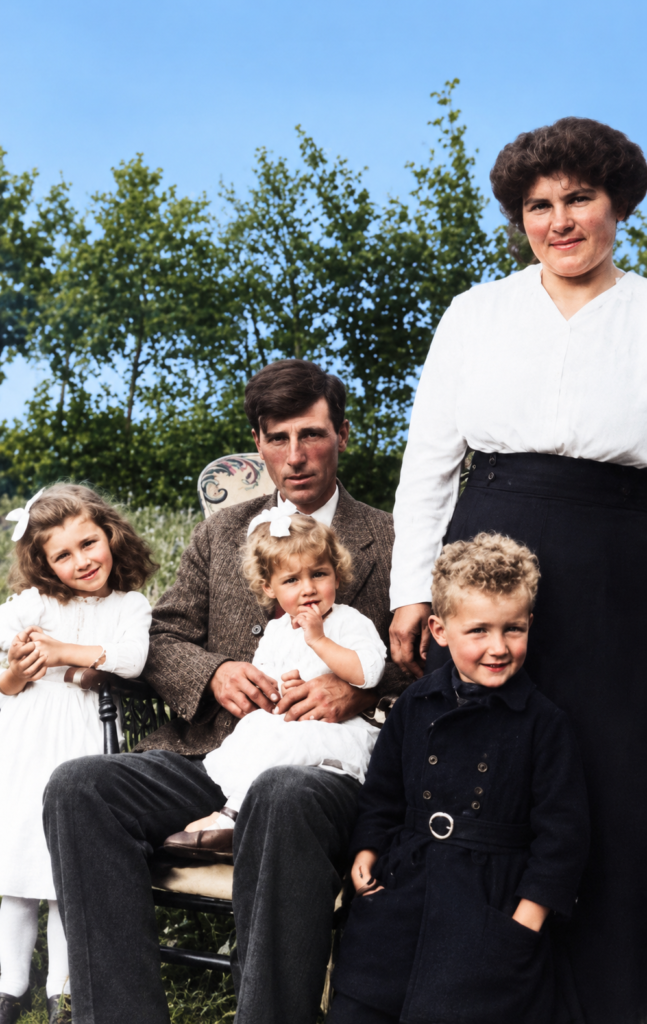
1933 — A Year That Changed Everything
The year 1933 brought a series of events that would change John George Shiels and his family forever.
Early that year, John became seriously ill with appendicitis and required an operation. He recovered and returned to his family, but only a short time later it was Pearl who became ill.
Pearl was eight months pregnant when what appeared to be influenza suddenly became much more serious. Despite careful nursing and medical attention, her condition worsened rapidly.
Pearl Alberta Shiels died in 1933, leaving John alone with eight children. Their youngest was still a baby.
The loss was devastating. Pearl had been far more than John’s wife. Her newspaper obituary described her as his “helpmate and companion,” noting that she accompanied him on most of his trips to work or into town.
John had already endured the loss of three babies during the early years of their marriage. Now, after more than twenty years together, he had lost Pearl as well.
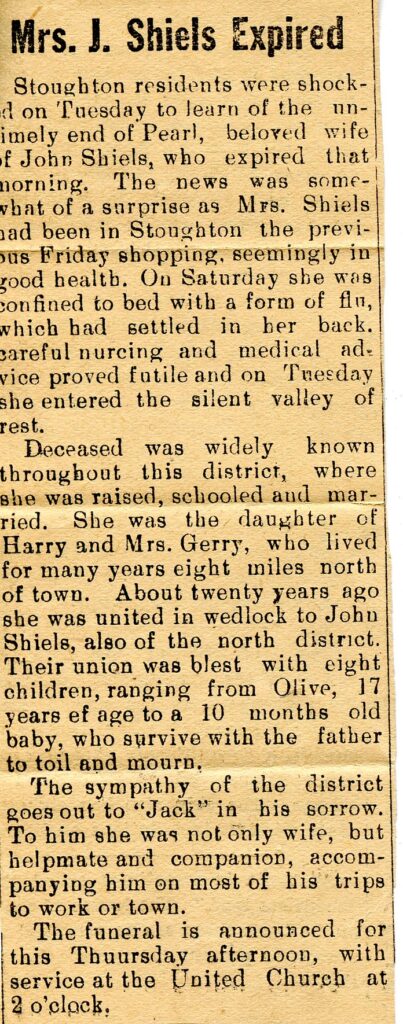
And Then the House Burned
Only weeks after Pearl’s death, tragedy struck the family again.
The Shiels home burned to the ground.
John had lost his wife, and now the home in which he was trying to raise their eight children was gone as well. Friends and neighbours offered to help. Some even offered to take individual children into their own homes.
For John, however, there was one thing that was not negotiable.
He would not split up his family.
Somehow, John kept the children together. With the help of family, friends and neighbours, he began once again to rebuild their lives.
It was a pattern that had followed John from childhood: when circumstances took away one home, he found another. When hardship forced him to begin again, he did.
But this time he was not beginning again for himself.
He was beginning again for his children.
Amid the confusion of the fire came one story the family would laugh about for years. Olive had been making bread, and although the dough was still rising in the pans, it was one of the few things carried safely from the burning house.
Unfortunately, an old pig discovered it first — and ate the bread dough.
According to the family story, the dough continued to rise inside the pig and the unfortunate animal died. Olive’s brothers were merciless. For weeks afterward they teased her that it was a good thing the house had burned down, or the family might have died from eating her bread!
It was typical of this family that even one of the worst days of their lives eventually became a story they could laugh about together.
Keeping the Family Together
Keeping eight children together was one thing. Providing for them during the Great Depression was another.
By the 1930s, conditions on the southern Saskatchewan prairie had become extraordinarily difficult. Years of drought brought poor crops and fierce winds that swept dust and sand across the countryside. At times the dust found its way through every crack in the house. The family learned to turn their plates upside down on the table until it was time to eat, simply to keep them clean.
Even when something managed to grow, there were other threats. Army worms could move through the fields in enormous numbers, destroying crops that families had struggled to produce.
For John, these were no longer merely the hardships of farming. Pearl was gone, and eight children depended upon him. He took whatever work he could find and did what was necessary to keep food on the table and the family together.
But determination alone could not change the weather or make failing farmland productive. Eventually John faced the same decision that his father Thomas had faced years earlier:
Was it time to leave and begin again somewhere else?
1937 — The Journey Turns East
In 1937, John made his decision. After more than three decades in Saskatchewan, he gathered his family and left the province where he had grown from a boy into a husband, father and widower.
This time, however, the Shiels family was not moving west.
They were going east — back to Manitoba.
John settled first in the Bernice district, and later the family moved to Napinka, where he would eventually spend the remainder of his life.
There was a striking reversal in the journey. As a boy, John had followed his father Thomas west from Ontario through Manitoba and into Saskatchewan. Now, as a father himself, John was leading his own children back across the prairie in search of another beginning.
Once again, the direction had changed.
The reason had not: family, survival and the hope of something better.
Napinka — A Place to Call Home
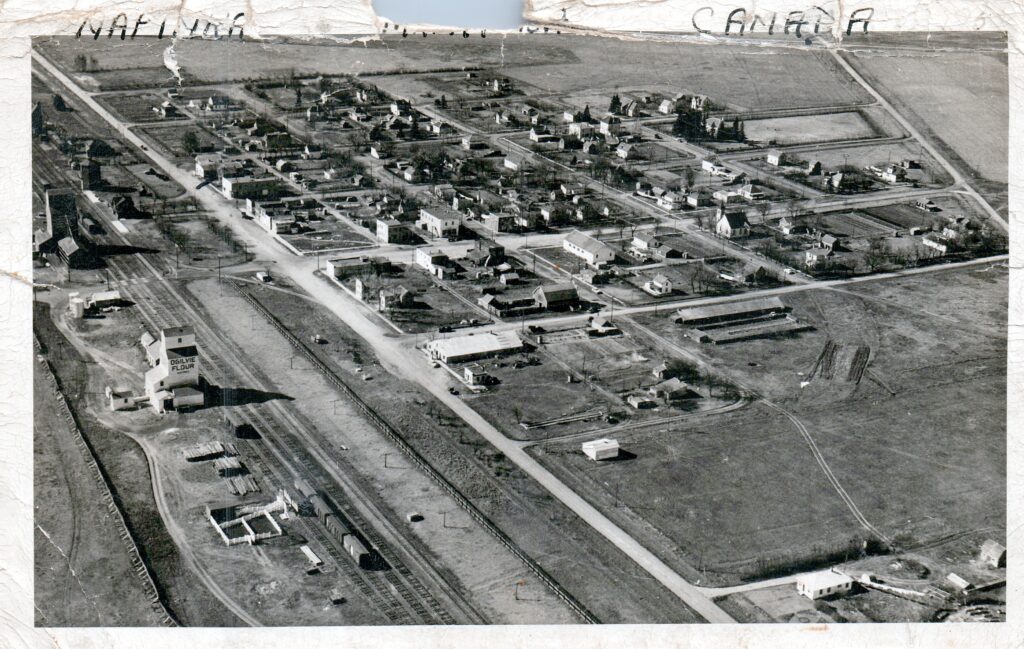
After years of uncertainty and repeated beginnings, Manitoba gradually became home for John and his family. They first settled in the Bernice district, and later John moved to the small community of Napinka.
Napinka offered something that had often been missing from John’s life — a sense of permanence. He continued farming for a time and later turned increasingly to carpentry, putting to use the practical skills that had carried him through so many difficult years.
John eventually had a small house of his own in Napinka. After a lifetime that had taken him from Ontario to northern Ontario, Manitoba, Saskatchewan and back again, he had finally reached a place where he would stay.
But settling down did not mean slowing down. John remained active in the community, helping neighbours, working with his hands and maintaining the independence that had characterized his entire life.
The hardships of Saskatchewan had shaped him, but they did not define the man his family remembered. Those memories are filled just as much with his carpentry, his garden, his fiddle, his old car — and his sense of humour.
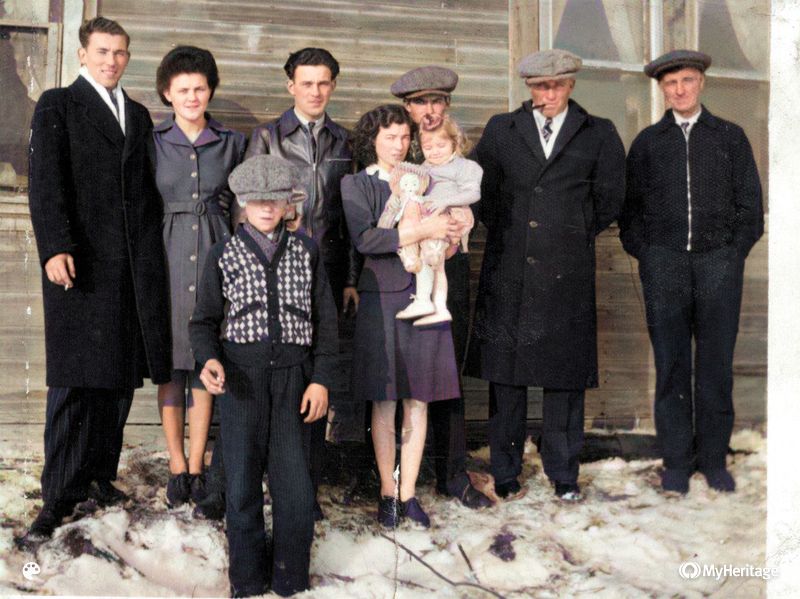
Never Mind Girls, I Like Rice!
After Pearl died, the children had to take on responsibilities that their mother had always handled. The girls, still young themselves, were now responsible for much of the cooking for their father and brothers.
One evening they decided to make rice for supper — and, thinking ahead, cooked a little extra so there would be enough left over for rice pudding.
They soon discovered just how much the old-fashioned rice could expand.
Before long, every pot in the house was full of rice.
When John came in and saw what had happened, there was no anger and no criticism.
“Never mind girls, I like rice!”
It was a wonderfully simple response, but one that said a great deal about John George Shiels. His daughters were doing their best under circumstances none of them had chosen. John understood that.
That was simply the way he was — and one of the reasons his family loved him so much.
The John George Everyone Remembered
John George had endured more hardship than most people would experience in a lifetime, but those who knew him remembered much more than the difficult years.
He was practical, independent and remarkably resourceful. Years of farming had taught him how to repair things rather than replace them, and his carpentry skills made him the kind of neighbour people could turn to when something needed to be built or fixed.
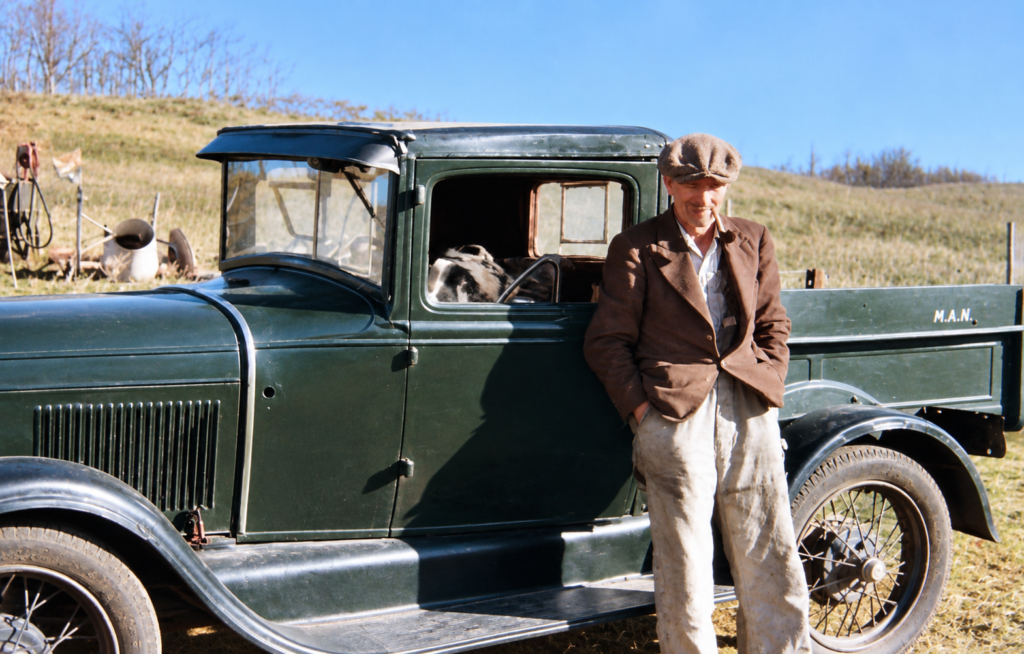
He also had an old Model A Ford. In retirement, one of John’s pleasures was simply keeping the old car running. He always carried a roll of wire to “tie it together if needed.”
It was a wonderfully practical solution — and somehow very John.
John enjoyed gardening as well. In later years, the rows he planted had a tendency to become increasingly less straight as he worked his way across the garden — another small detail that survived because the family remembered it with affection.
And there was music. John played the fiddle, bringing a very different sound into a life that had otherwise been filled with farms, tools, hard work and responsibility.
A Life Remembered
John George Shiels lived through enormous change and more than his share of hardship. He worked the land, raised his family, endured the loss of Pearl, and carried on through difficult years with the practical determination that had characterized his life.
Yet the memories that survived are not simply of hardship. They are of a father who could smile when every pot in the house was filled with rice, a neighbour who could build or repair almost anything, a gardener whose rows became a little less straight with age, a man keeping an old Model A running with ingenuity and a roll of wire — and a farmer who played the fiddle.
Those are the small memories that turn a family history into the story of a life.

The Story Continues
John George’s story is only one chapter in the continuing story of the Shiels family. The next generation follows his son George Shiels, whose life with Betty Jones carries the family story forward into a new era.